Optimal Timing for Driveway Paving
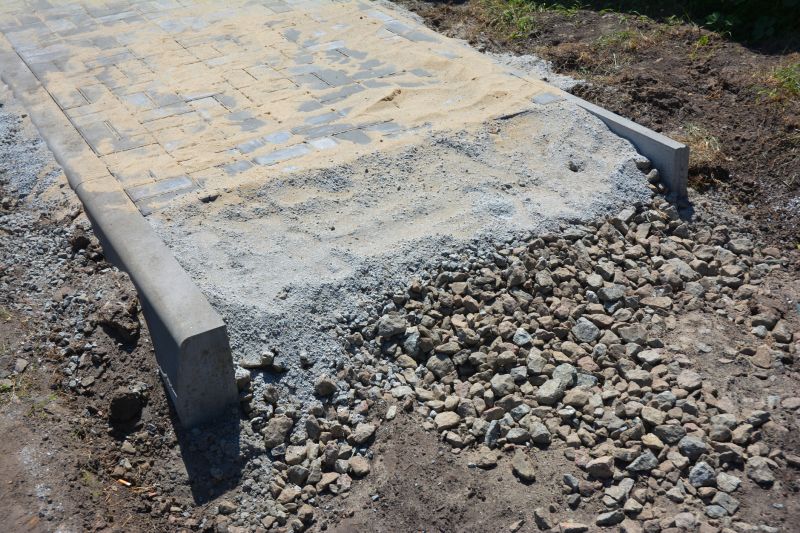
Spring offers moderate temperatures ideal for paving projects, ensuring proper curing and adhesion.
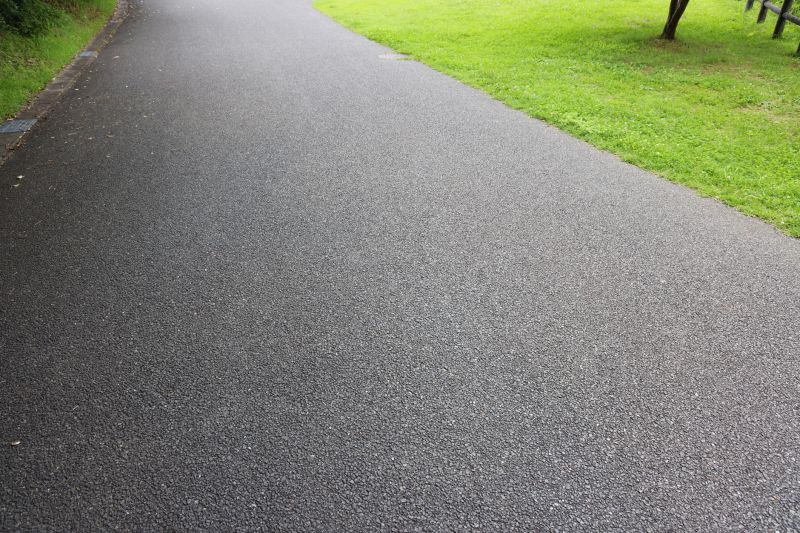
Summer provides warm weather, but extreme heat can affect setting times and materials.
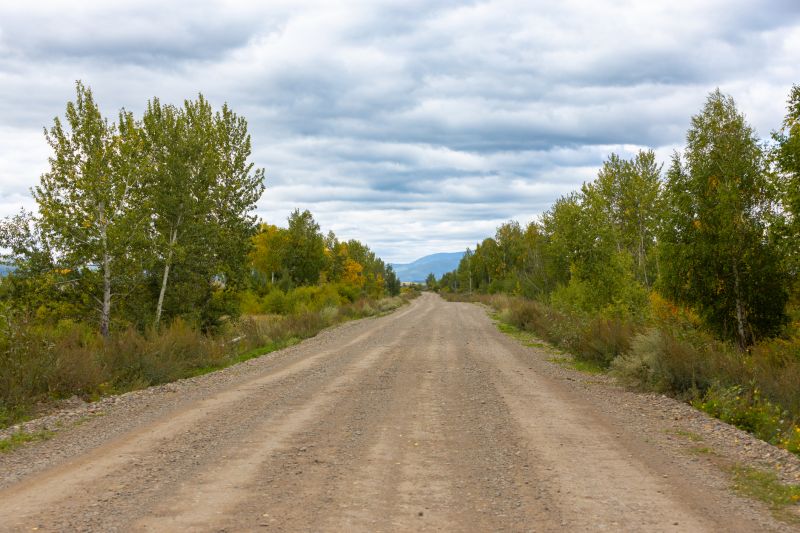
Autumn's cooler temperatures and stable weather make it suitable for driveway paving.
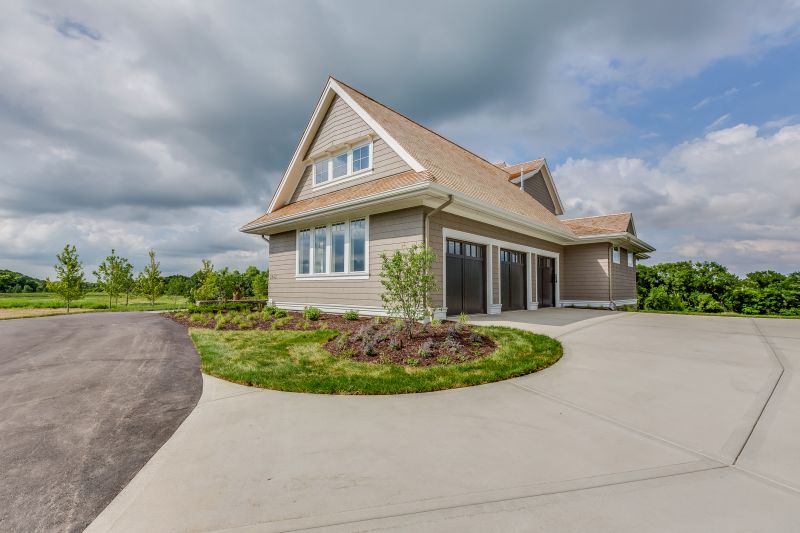
Ways to make Residential Driveway Pavings work in tight or awkward layouts.
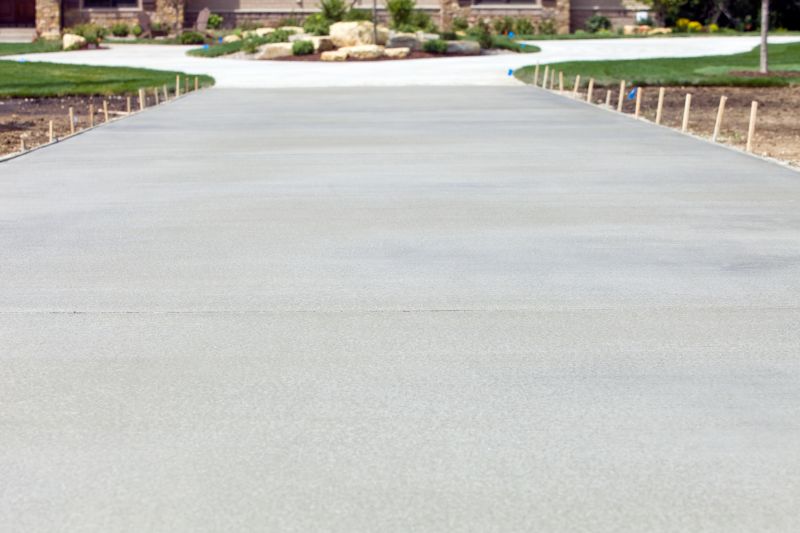
Popular materials for Residential Driveway Pavings and why they hold up over time.
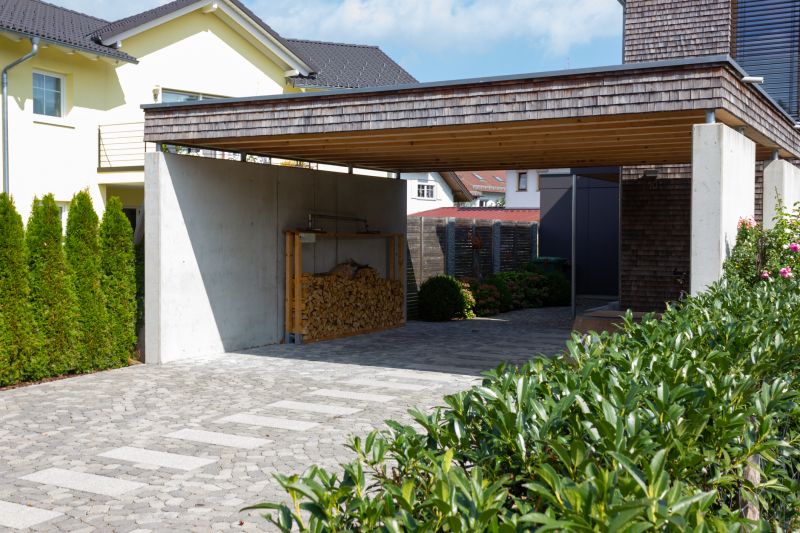
Simple add-ons that improve Residential Driveway Pavings without blowing the budget.
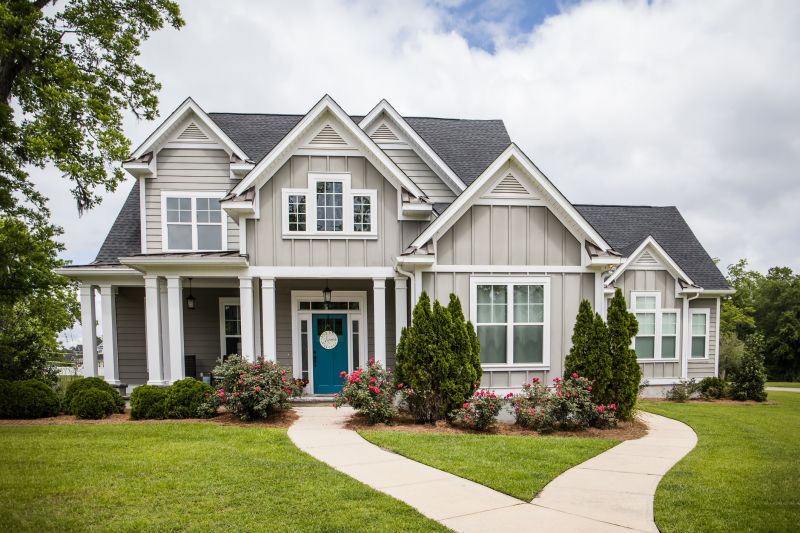
High-end options that actually feel worth it for Residential Driveway Pavings.
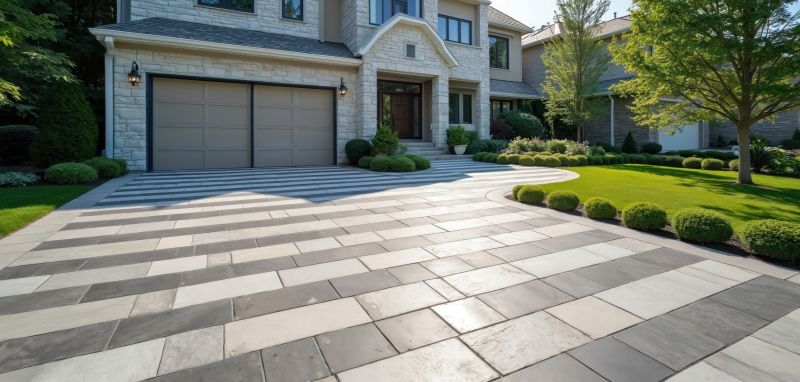
Finishes and colors that play nicely with Residential Driveway Pavings.
Residential driveway paving involves the installation of durable surfaces to improve curb appeal and functionality. Proper timing ensures optimal material performance and longevity. Weather conditions significantly influence the paving process, with temperature and moisture levels playing critical roles in curing and adhesion.
Statistics indicate that the majority of paving projects are successfully completed during seasons with mild temperatures and low precipitation. Planning paving work during these periods reduces the risk of delays and material issues, resulting in a more durable and aesthetically pleasing driveway.
Extreme cold can cause cracking, while excessive heat may lead to softening of materials, affecting driveway quality.
Optimal curing requires specific temperature ranges, typically between 50-85°F (10-29°C).
Avoid paving during rainy or freezing conditions for best results.
Properly timed paving enhances the lifespan of the driveway, reducing maintenance needs.
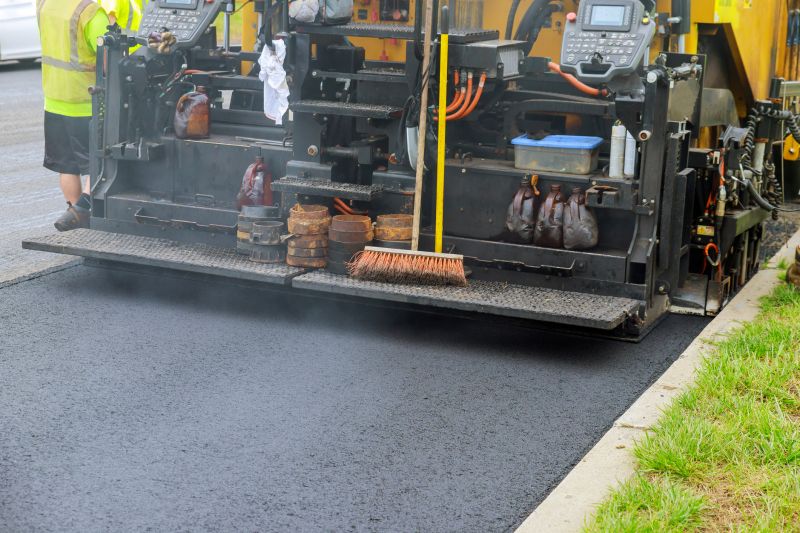
Ideal for new driveway installations and repairs.
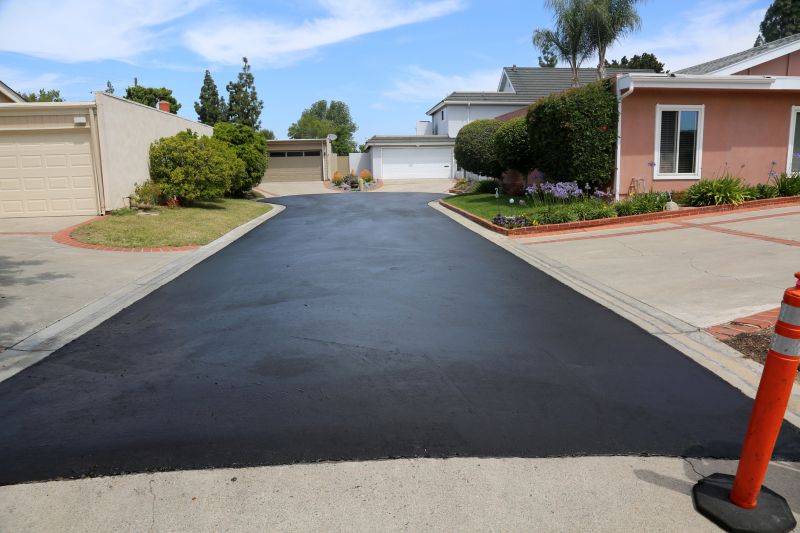
Suitable with caution for heat management.
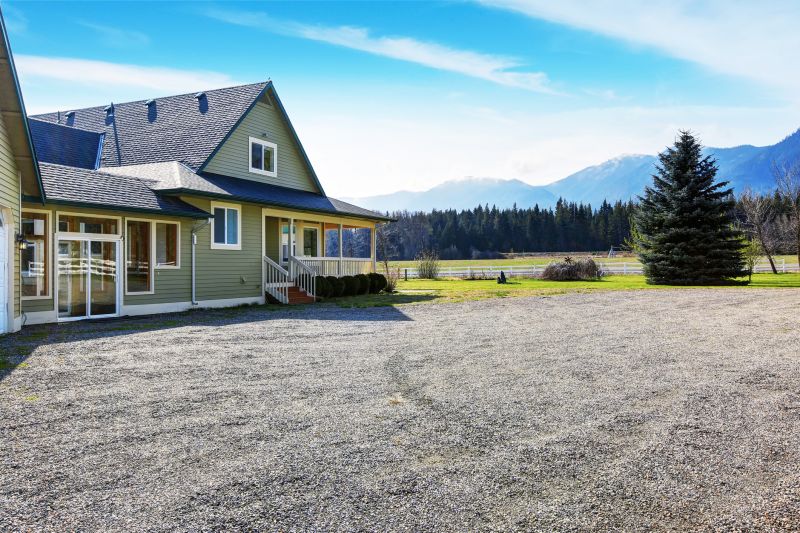
Great for projects before winter.
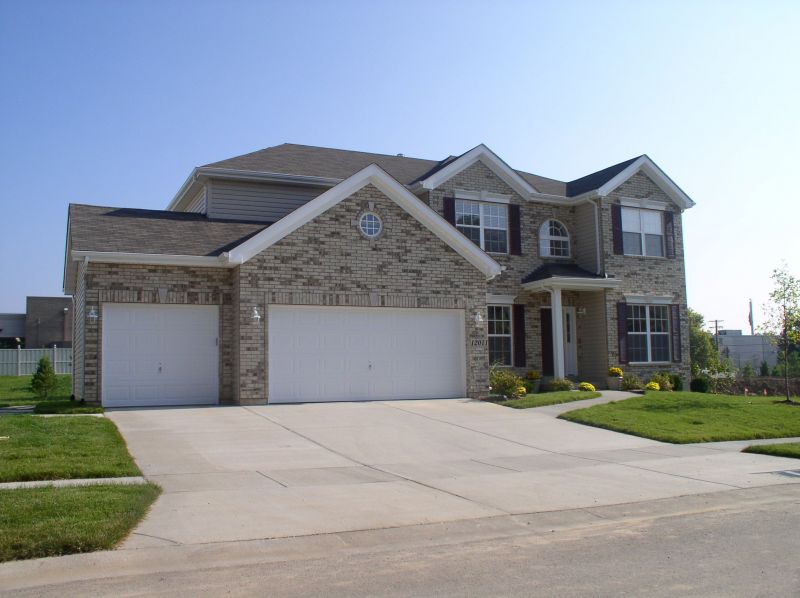
Generally not recommended due to freezing temperatures and moisture.
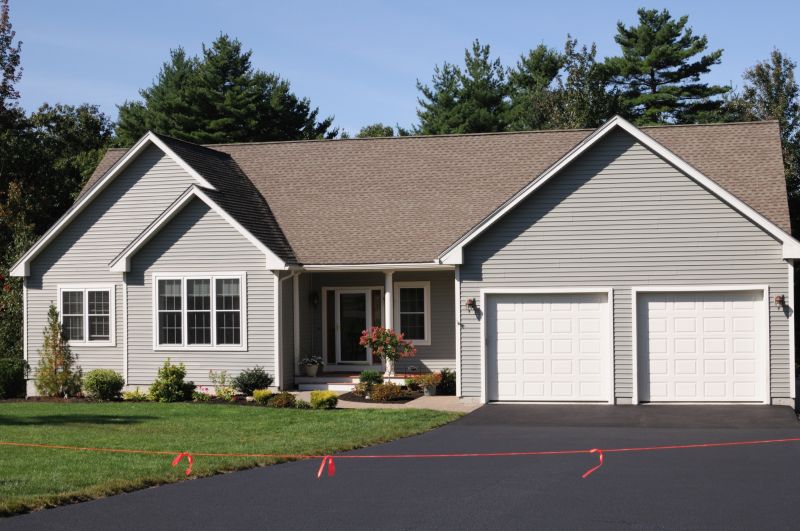
Little measurements that prevent headaches on Residential Driveway Pavings day.
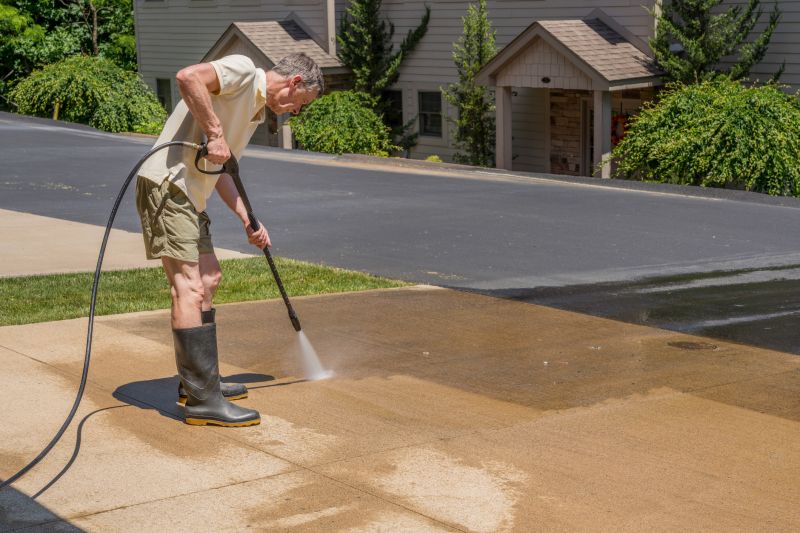
A 60-second routine that keeps Residential Driveway Pavings looking new.
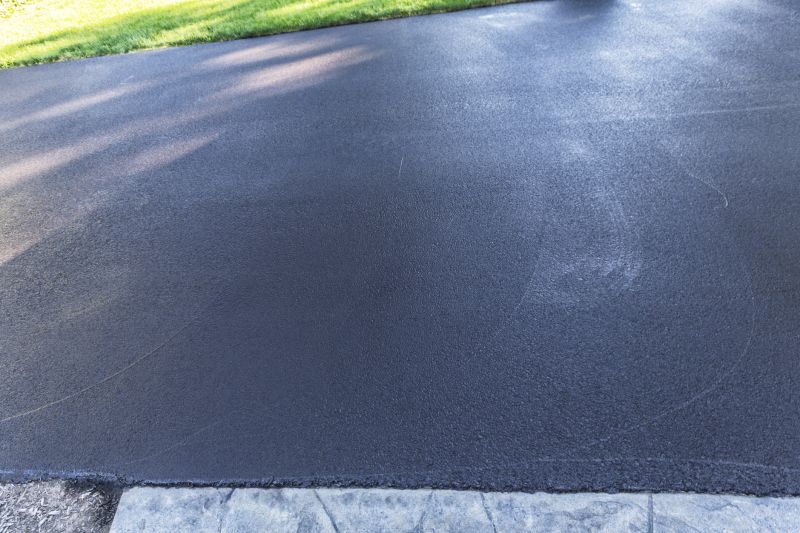
A frequent mistake in Residential Driveway Pavings and how to dodge it.
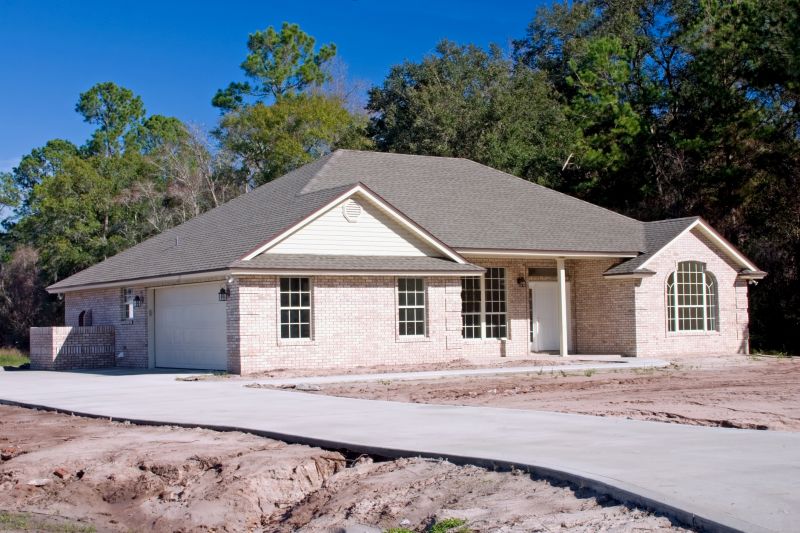
Small tweaks to make Residential Driveway Pavings safer and easier to use.
| Season | Temperature Range (°F) | Ideal For |
|---|---|---|
| Spring | 50-70 | New installations and repairs |
| Summer | 70-85 | Large projects with precautions |
| Autumn | 50-65 | Pre-winter paving |
| Winter | Below 50 | Not recommended |
| Late Spring | 55-75 | Optimal for most projects |
| Early Autumn | 55-65 | Good for scheduling |
Choosing the right season for residential driveway paving is essential for ensuring a long-lasting surface. Proper timing reduces the risk of cracks, uneven surfaces, and premature deterioration. Consulting with paving specialists can provide guidance tailored to local climate conditions.
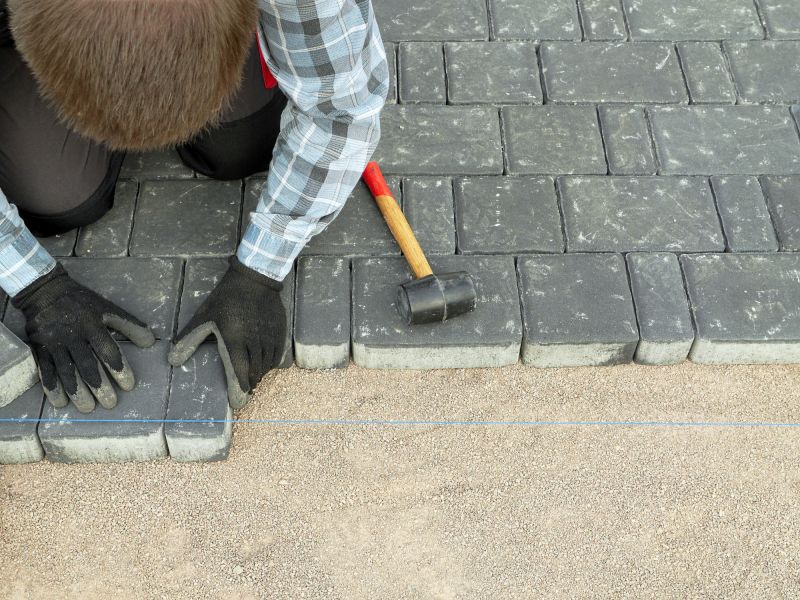
Spring's mild weather supports effective paving and curing.
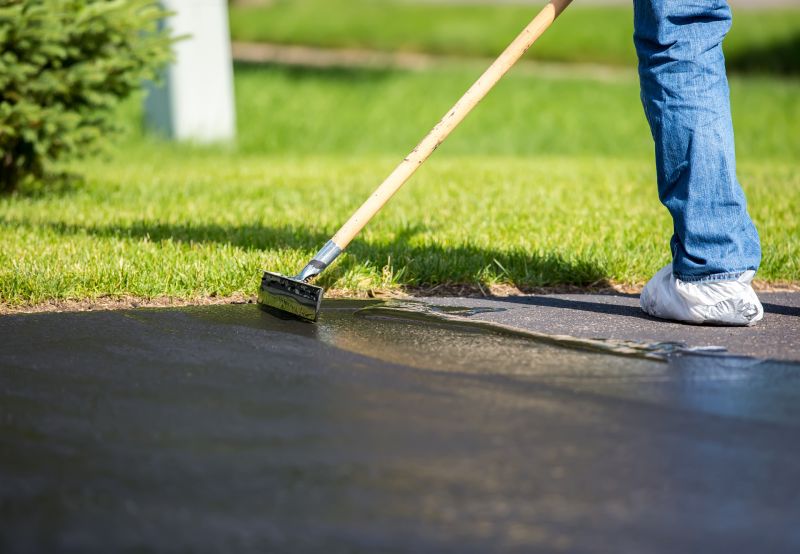
Ensure shade and hydration to manage high temperatures.
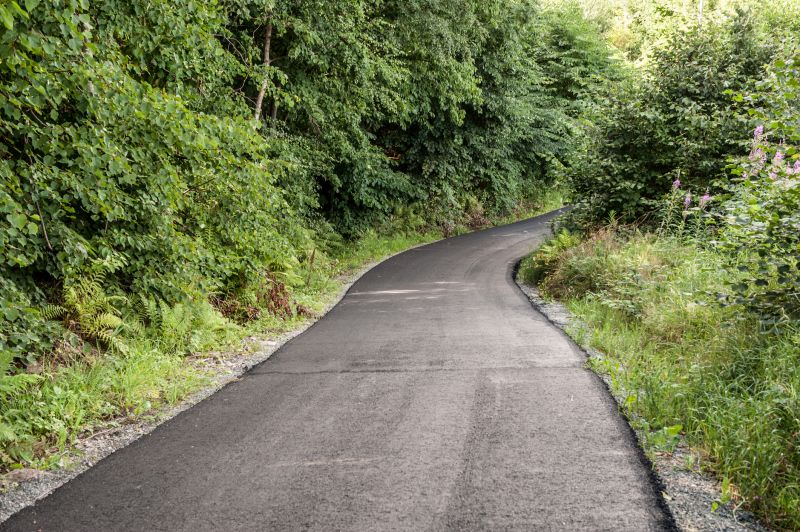
Cooler temperatures help in achieving smooth finishes.
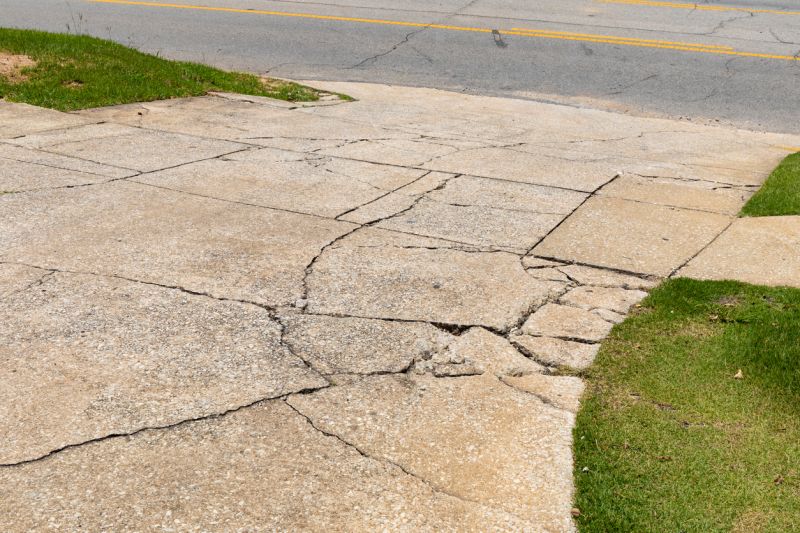
Freezing temperatures hinder proper setting and curing.
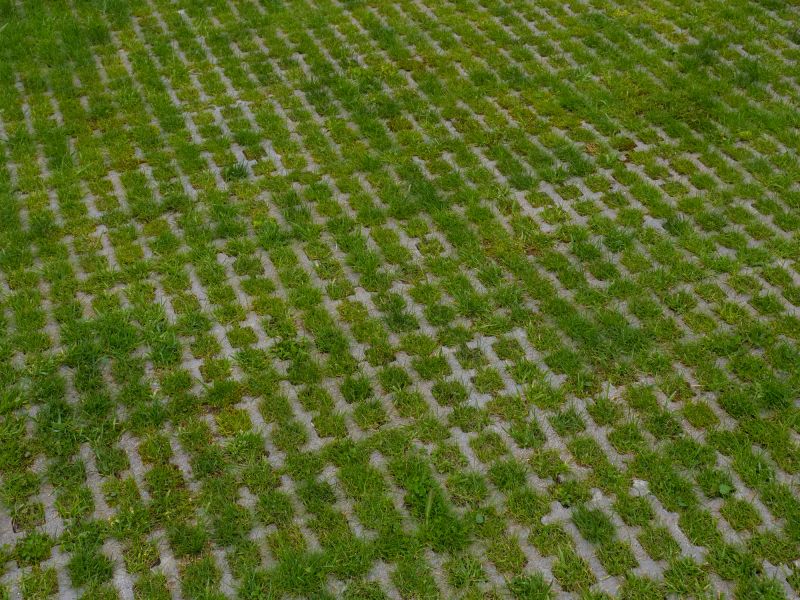
Lower-waste or water-saving choices for Residential Driveway Pavings.
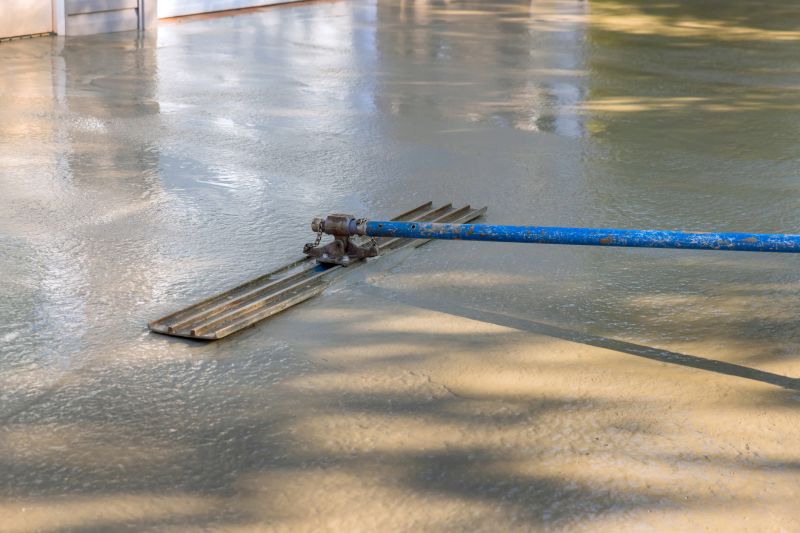
The short, realistic tool list for quality Residential Driveway Pavings.
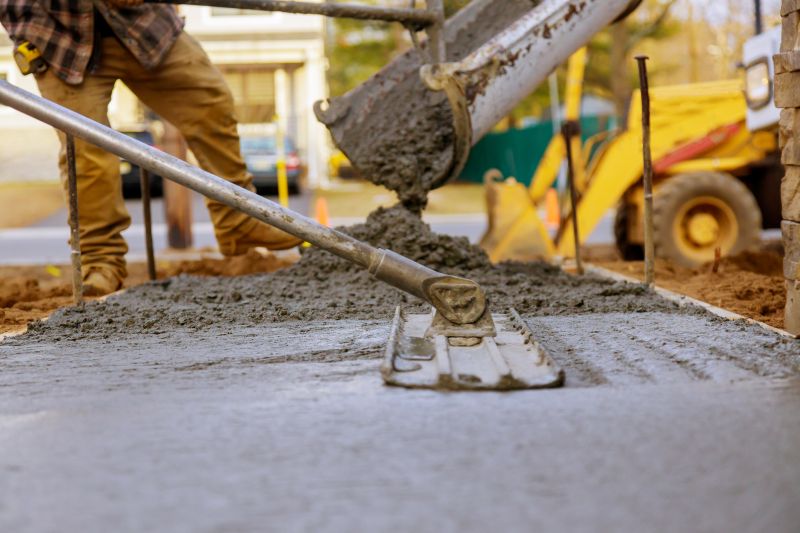
Rough timing from prep to clean-up for Residential Driveway Pavings.
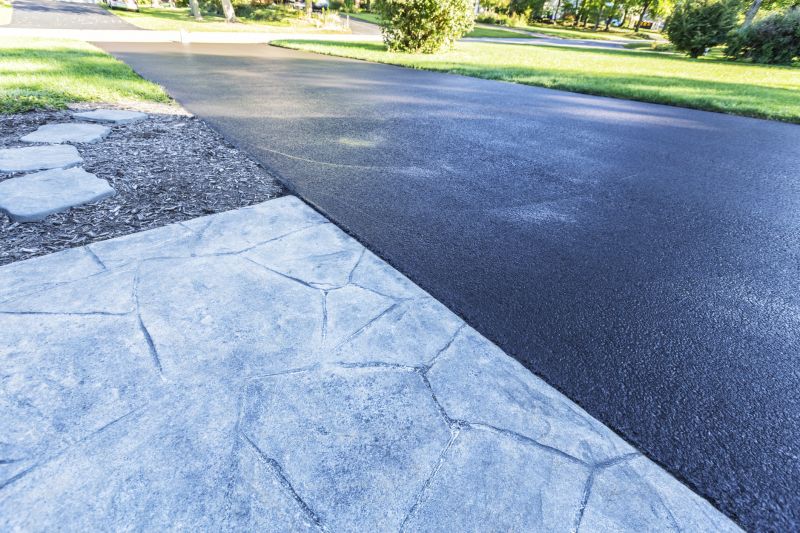
Quick checks and paperwork to keep after Residential Driveway Pavings.
Interested in residential driveway paving? Filling out the contact form can provide access to professional advice and scheduling options tailored to specific needs and local weather patterns.