
Top Residential Driveway Paving Products for Durable Results
Explore our expert picks of paving solutions designed to enhance curb appeal and withstand heavy use in residential settings.
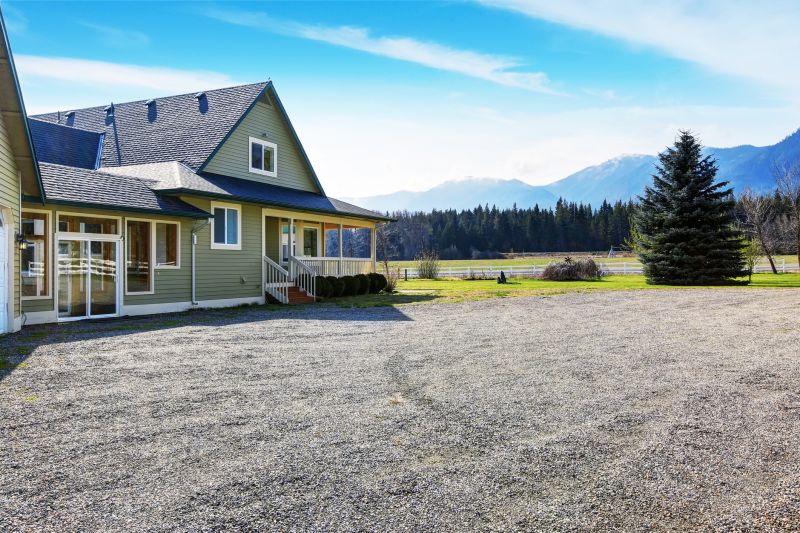 Selecting the right paving products for a residential driveway involves understanding a variety of materials and installation options that suit different aesthetic preferences, durability needs, and maintenance considerations. Paving options range from traditional concrete and asphalt to more decorative choices like stamped concrete, brick, and natural stone. Each material offers unique visual appeal and performance characteristics, making it important to evaluate factors such as weather resistance, longevity, and ease of installation.
Top Overall Option
Interlocking Concrete Pavers
Interlocking concrete pavers are a versatile and durable choice for residential driveways. They come in a variety of shapes, colors, and patterns, allowing for customization to match different architectural styles. Their modular nature makes repairs straightforward, as individual pavers can be replaced without disturbing the entire surface. Properly installed, they provide good load-bearing capacity and can be easily maintained, making them a popular choice among homeowners seeking a balance of aesthetics and functionality.
Types of Products For Residential Driveway Pavings
Concrete Slabs
Precast or poured in place, concrete slabs offer a smooth, customizable surface suitable for many driveway styles.
Asphalt Paving
A common choice for its affordability and quick installation, asphalt provides a seamless, durable surface.
Stamped Concrete
Concrete that is patterned and colored to resemble stone, brick, or other materials, adding decorative appeal.
Natural Stone
Materials like flagstone, slate, or granite offer a high-end look with natural variations and textures.
Interlocking Pavers
Modular paving units that can be arranged in various patterns, offering flexibility and ease of repair.
Brick Pavers
Traditional brick pavers provide a classic appearance and can be laid in intricate patterns.
Gravel and Crushed Stone
Affordable options for driveway bases or overlays, offering good drainage and a rustic look.
Rubber Pavers
Flexible and shock-absorbent, rubber pavers are suitable for certain driveway applications and add cushioning.
Permeable Paving Systems
Designed to allow water infiltration, these systems help manage runoff and reduce pooling.
Composite Pavers
Made from a blend of materials, these pavers combine durability with aesthetic versatility.
Resin-Bound Gravel
A smooth, permeable surface created by mixing gravel with resin, suitable for modern driveway designs.
Popular Choices
Widely favored for their versatility and ease of repair, these pavers are often chosen for residential driveways.
A common option for its affordability and straightforward installation process.
Popular for decorative purposes, offering customizable patterns and colors.
Selected for its natural beauty and timeless appeal in upscale driveway designs.
Chosen for classic aesthetics and pattern flexibility.
Often used for rustic or informal settings, valued for its affordability and drainage qualities.
A straightforward and durable solution, frequently used in modern residential projects.
Increasingly popular for managing water runoff while maintaining a stylish appearance.
Gaining popularity for smooth, permeable surfaces with modern aesthetics.
Chosen for their shock absorption and unique look, especially in versatile driveway designs.
Concrete remains a popular choice due to its versatility and relatively straightforward installation process. It can be poured in custom shapes and finished with various textures or colors to complement the home's exterior. Asphalt, on the other hand, provides a smooth, durable surface that is often favored for its affordability and quick installation. For those seeking a more decorative look, stamped concrete can mimic the appearance of stone or brick at a lower cost, while natural stone options like flagstone or slate add a timeless, upscale aesthetic.
Interlocking pavers are another versatile option, offering a wide range of colors, shapes, and sizes that can be arranged into intricate patterns. These pavers are easy to replace if damaged and can be laid over existing surfaces, reducing installation time. Gravel and crushed stone are also used for driveway bases or overlays, providing good drainage and a rustic appearance. When choosing paving products, it's essential to consider the local climate, maintenance requirements, and the overall design of the property to ensure a durable and attractive result.
Proper preparation of the sub-base and drainage system is crucial for the longevity of driveway paving. Regular maintenance, including sealing and cleaning, can prolong the life of the materials and keep the driveway looking its best. Consulting with professionals or experienced suppliers can help identify the most suitable options based on specific needs, budget, and aesthetic goals. With a wide array of products available, homeowners can create a functional, durable, and visually appealing driveway that enhances curb appeal and property value.
Key Buying Considerations
- Durability and load-bearing capacity suitable for vehicle traffic
- Climate and weather resistance of the materials
- Aesthetic compatibility with the home's exterior design
- Ease of maintenance and cleaning requirements
- Installation complexity and time frame
- Cost and long-term value of the materials
- Drainage and permeability features to prevent pooling
- Repairability and ease of replacing damaged sections
- Slip resistance, especially in wet conditions
- Color options and ability to customize patterns
- Compatibility with existing landscaping or driveway features
- Environmental conditions such as freeze-thaw cycles
- Availability of materials and supplier support
- Compatibility with driveway slope and grading
- Potential for expansion or future modifications